Pressure Cleaning Myths That Could Damage Your Property
Pressure cleaning can remove grime, algae and built-up dirt, but the wrong technique can also strip paint, erode concrete and force water into buildings. In Rockhampton, humid conditions and seasonal rainfall encourage organic growth on shaded paths, walls and outdoor areas. Effective cleaning means matching the method to the surface—not simply increasing the pressure.
Myth 1: Higher Pressure Always Produces Better Results
More pressure can mean more damage. A concentrated jet can gouge timber, remove mortar from joints and leave permanent lines in concrete. Even a hard surface may have a weakened finish or protective coating that cannot withstand aggressive cleaning.
Check the surface manufacturer’s cleaning guidance, start with a low-pressure setting and test an inconspicuous area. Keep the nozzle moving and use an appropriate fan pattern. There is no single safe pressure or nozzle distance for every material.
Myth 2: Every Surface Can Be Pressure Washed
Roofing, painted weatherboards, render, window seals and ageing masonry require particular care. Directing water upwards beneath cladding or roof overlaps can push moisture into spaces designed to shed rain from above.
Never use high-pressure water on asbestos-containing materials. Queensland prohibits this practice because it can release hazardous fibres and contaminate surrounding areas. If older roofing or wall sheeting may contain asbestos, stop and arrange assessment by a qualified asbestos professional before cleaning.
Myth 3: Soft Washing Is Automatically Harmless
Soft washing uses lower pressure, often with cleaning chemicals, but it still requires careful application. Unsuitable products or excessive concentrations can damage finishes, discolour materials and harm plants.
Choose a product approved for the surface, follow its label and safety data sheet, and observe the specified dilution and contact time. Never mix bleach-based cleaners with acids or ammonia. Protect nearby vegetation and prevent chemical solution from entering ponds or waterways.

Myth 4: Water Alone Removes Every Stain
Oil, rust, mineral deposits and organic growth respond to different treatments. Increasing pressure to remove a stubborn mark can damage the surface without addressing the stain.
Identify the stain first and select a compatible treatment. Rust removers, for example, can contain acids that damage some stone and cement-based surfaces. Test before wider application, and do not let cleaning products dry on the surface unless the instructions specifically allow it.
Myth 5: Runoff Can Simply Go Down the Street Drain
Pressure-cleaning wastewater may contain sediment, oil, paint particles and chemicals. Stormwater drains are not a disposal point for contaminated wash water. Even cleaning without detergent can mobilise pollutants.
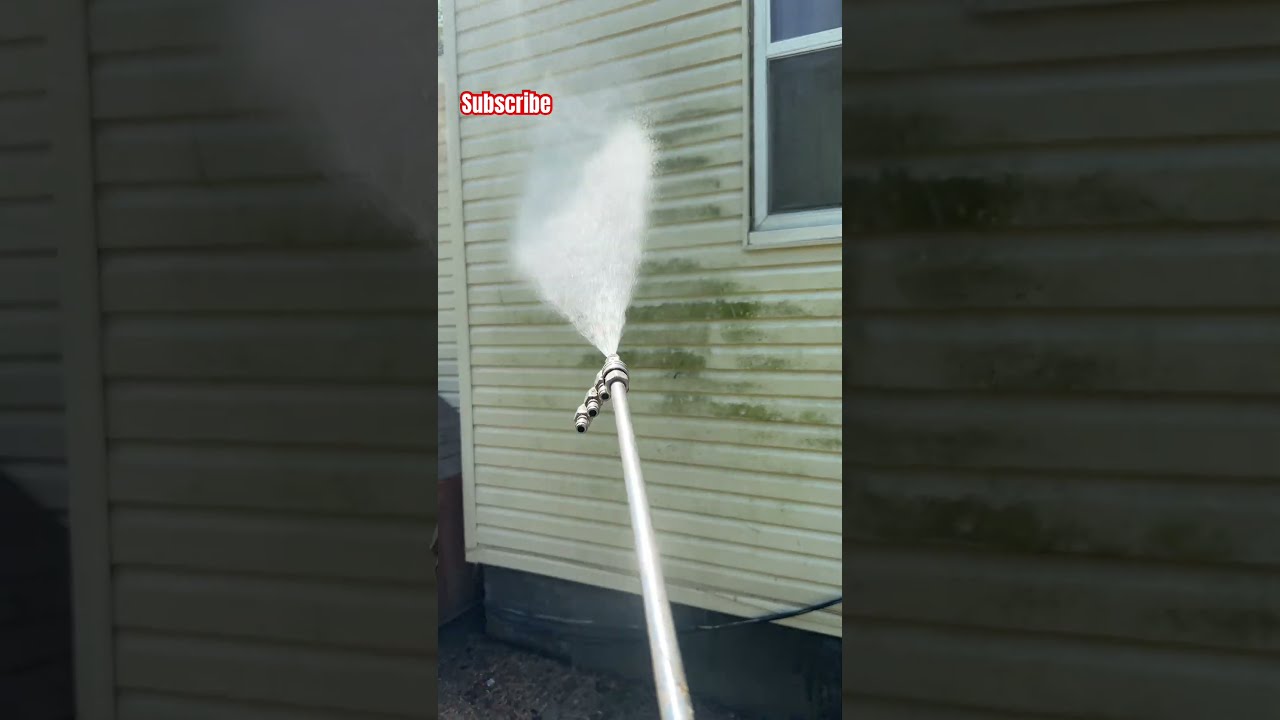
Before starting, identify nearby drains https://danteivjb073.wordcanopy.com/posts/best-times-to-pressure-clean-around-rockhampton-x27-s-wet-season and plan how to contain and recover wastewater. Use suitable barriers and collection equipment where necessary. Check Rockhampton Regional Council’s current requirements for disposal, including any approval needed before discharging wastewater to sewer.
Myth 6: A Pressure Washer Makes Roof and Ladder Work Easy
Spray recoil, wet surfaces and trailing hoses increase the risk of falls. Do not operate a pressure washer while standing on a ladder. Roof cleaning also requires suitable access, fall protection and methods that do not damage roofing or affect warranties.
For elevated or difficult areas, use a suitably trained and insured contractor with appropriate equipment rather than improvising access.
A Safer Approach for Rockhampton Properties
Inspect surfaces for loose paint, cracks, failing seals and deteriorated mortar before cleaning. Choose a cooler period where practical, as Rockhampton’s heat can cause cleaning solutions to dry too quickly. Avoid conditions that spread spray onto neighbouring properties or allow uncontrolled runoff.
When comparing local pressure cleaning services, ask how they assess materials, protect electrical fittings and plants, and manage wastewater. A responsible provider explains the proposed method and its limitations rather than promising maximum pressure on every surface.
Capricorn House Washing
0482 073 600